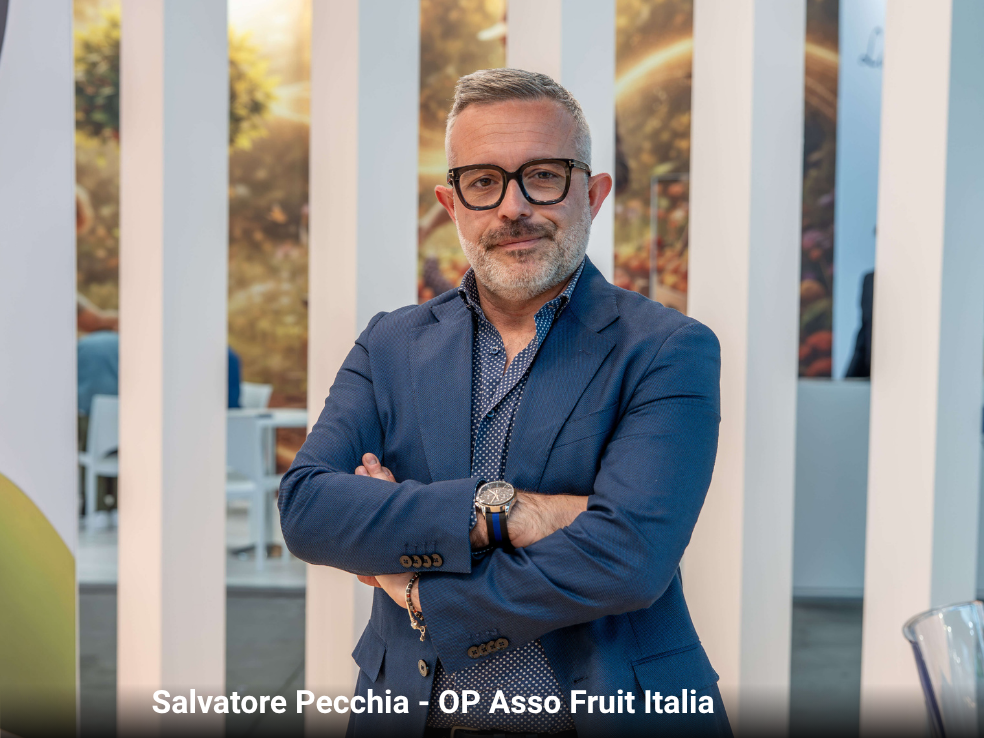




Interview of the month
Less water, genetics, resilient varieties: how citrus growing is tackling climate change
09/10/2026
Sustainability quick guide
What is plant breeding?
Breeding, or plant breeding, begins with a very practical and simple question: which characteristics of today’s plants do we want to see in those of tomorrow?
Cultivar: a choice of character
The term ‘cultivar’ refers to a group of plants selected because they share one or more characteristics considered useful or interesting, such as shape, colour, flavour, yield, hardiness or ripening period.
Mulching: a protective blanket for the soil
Mulching is an agricultural technique that involves covering the ground with a protective layer of material (mulch), creating a barrier between the soil and the external environment.
EPD (Environmental Product Declaration)
Acronym for Environmental Product Declaration, a voluntary certification that transparently and independently communicates the verified environmental impacts associated with a product across its LCA.
GWP: measuring the impact of greenhouse gases on the climate
There is an indicator used to compare the environmental impact of all greenhouse gases: GWP (Global Warming Potential).
Greenhouse gases
Gases present in the atmosphere that trap solar heat, causing the so-called "greenhouse effect".
Environmental impact: in short
The consequences, both positive and negative, of human and industrial activities on the environment.
Life-Cycle Assessment
Life-Cycle Assessment or LCA is an internationally standardised methodology used to analyze a product or service's life cycle to evaluate and mitigate potential environmental impacts.
Innovations in the field
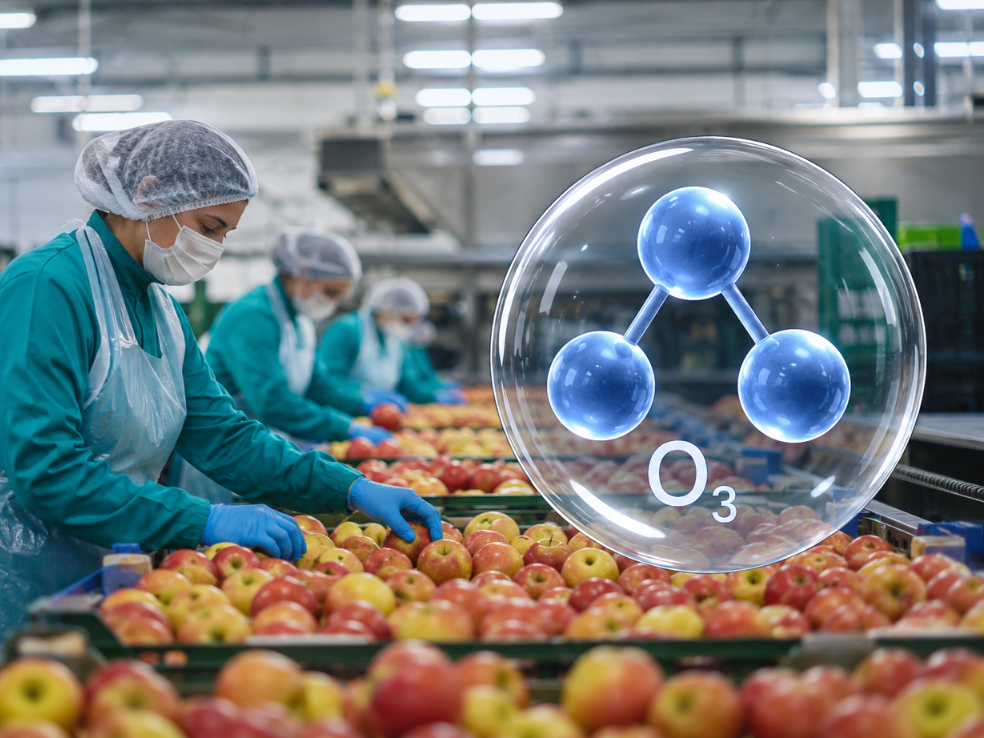
Ozone: how can it make fresh produce more sustainable?
From irrigating water sanitisation to post-harvest fruit preservation, ozone is finding applications in an increasing number of agricultural enterprises. But what is its real potential? And what are its limitations?
27/08/2026